You Won’t Believe What Trinidad’s Streets Are Hiding
Walking through Trinidad, Cuba feels like stepping into a living museum. Every pastel wall, cobblestone path, and wrought-iron balcony tells a story. I was stunned by how the city’s Spanish colonial architecture stays so vivid and untouched by time. This isn’t just old charm—it’s a carefully preserved world where history shapes every corner. If you’re chasing authenticity, Trinidad delivers in ways you never expected. Let me show you why its architecture is a game-changer for travelers.
Discovering Trinidad: First Impressions That Last
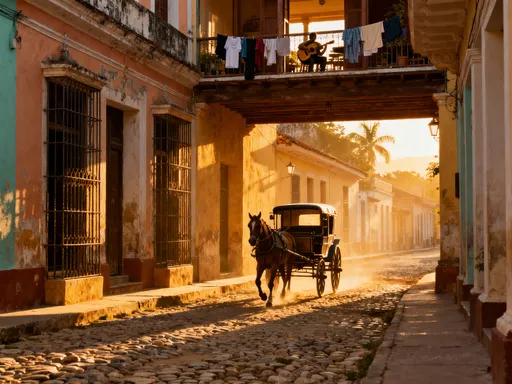
From the moment visitors arrive in Trinidad, they are met with a sense of stepping backward through time. Nestled along Cuba’s southern coast, this colonial gem rises from the landscape like a painted dream—its buildings awash in hues of coral, ochre, and sky blue. Horse-drawn carriages clatter over cobblestone streets, their wooden wheels echoing against centuries-old walls. The air carries the scent of jasmine and slow-cooking spices, mingling with the faint salt breeze drifting in from the nearby Caribbean Sea. For many travelers, particularly women in their 30s to 50s who value meaningful, culturally rich experiences, Trinidad offers more than scenic beauty—it offers emotional resonance.
Trinidad’s enduring appeal lies in its remarkable preservation. Founded in 1514, it is one of the best-preserved colonial cities in the Caribbean. Its historic center was designated a UNESCO World Heritage Site in 1988, recognized for maintaining an authentic urban fabric that reflects early Spanish settlement patterns. Unlike other Cuban cities where modern development has altered the skyline, Trinidad’s core remains virtually unchanged. The city’s grid layout, narrow streets, and central plaza follow the original colonial plan, offering an immersive experience that feels both intimate and timeless.
What makes Trinidad especially accessible is its compact size. The entire historic district can be explored on foot within a single day, yet it rewards slower, deeper engagement. For families or solo travelers seeking connection without overwhelm, this walkability is a gift. You can begin at the edge of town, where modern life still pulses with motorbikes and small markets, and gradually move inward, peeling back layers of history with each step. The contrast between contemporary Cuba and Trinidad’s 16th-century roots is not jarring—it’s harmonious, a reminder that heritage and daily life can coexist beautifully.
The Heart of the City: Plaza Mayor and Its Surroundings
At the center of Trinidad’s charm lies the Plaza Mayor, a sun-drenched square framed by some of the city’s most iconic colonial buildings. This plaza is not merely decorative—it is the beating heart of community life, where locals gather in the evenings, children play near the fountain, and travelers pause to absorb the atmosphere. The surrounding architecture forms a cohesive ensemble of elegance and function, where every detail tells a story of craftsmanship and cultural fusion.
Among the most notable structures is the Museo Romántico, once the mansion of a wealthy sugar baron. Today, it serves as a museum offering a glimpse into 19th-century domestic life. Inside, visitors find period furnishings, hand-painted tiles, and family portraits that speak to the opulence of Trinidad’s golden age. The building’s façade features symmetrical windows with wrought-iron grilles, a hallmark of Spanish colonial design meant to provide shade and privacy while allowing airflow—a practical response to Cuba’s tropical climate. Just across the square stands the Iglesia Parroquial de la Santísima Trinidad, a modest yet graceful church whose bell tower rises above the rooftops, marking the spiritual center of the town.
The architectural language of Plaza Mayor is defined by consistency and harmony. Arched walkways, known locally as *zaguanes*, line the perimeter, offering shelter from sun and rain while inviting leisurely strolls. Red-tiled roofs, made from locally produced clay, create a warm, earthy palette that complements the colorful walls. Wooden doors, often massive and studded with iron, are works of art in themselves—many hand-carved with geometric or floral motifs passed down through generations of artisans. Sitting in the plaza during golden hour, when the late afternoon light bathes the buildings in amber glow, one can witness both the beauty of the architecture and the rhythm of Cuban life unfolding naturally within it.
Color, Texture, and Craft: What Makes the Buildings Unique
The visual poetry of Trinidad’s streets comes alive in the details. More than just picturesque backdrops, the buildings are testaments to centuries of craftsmanship, cultural adaptation, and community pride. Each façade is a canvas of color and texture, where vibrant paint meets hand-tooled wood, forged iron, and intricately laid stone. These are not restored facsimiles but living structures, many still inhabited by families who care for them with deep respect for tradition.
The use of color in Trinidad is both bold and meaningful. While modern travelers may associate Caribbean architecture with bright, playful tones, in Trinidad, the palette reflects historical pigments and natural dyes. Lime green, terracotta, and cobalt blue were once derived from local minerals and plant extracts. Today, even as synthetic paints are used, preservation guidelines ensure that colors remain within historically accurate ranges. This attention to authenticity prevents the city from becoming a tourist caricature. Instead, the hues feel organic, rooted in place and time.
Equally important are the materials and techniques used in construction. Thick stone walls provide insulation against heat, while high ceilings and transom windows promote natural ventilation. Floors in older homes often feature hand-laid ceramic tiles, some imported from Spain in the 1800s, others crafted locally in nearby workshops. Wooden beams, exposed in many restored homes, are made from durable tropical hardwoods like mahogany, chosen for their resistance to humidity and insects. These elements combine to create interiors that feel cool, quiet, and deeply comforting—qualities that resonate with travelers seeking respite from fast-paced modern life.
One of the most touching aspects of Trinidad’s architecture is its adaptability. Many colonial mansions have been converted into *casas particulares*—private homestays that allow visitors to sleep within history. These are not luxury hotels but intimate accommodations where families open their homes with warmth and hospitality. Staying in a *casa* means waking up to the scent of fresh coffee, hearing stories from hosts whose ancestors built these homes, and touching walls that have stood for over 200 years. It’s a deeply personal way to connect with the city’s soul.
Beyond the Postcard: Hidden Corners and Local Life
While Plaza Mayor draws the crowds, the true magic of Trinidad often lies in its quieter streets. Just a few blocks away from the main square, the pace slows, and the city reveals a more private, lived-in character. Callejón del Medio, a narrow alleyway lined with pastel houses, offers a glimpse into everyday life. Here, laundry hangs from wrought-iron balconies, potted plants spill over window sills, and the sound of a radio playing son music drifts from an open doorway. These are not staged scenes for tourists—they are the unfiltered rhythms of a community that has called this place home for generations.
Wandering these side streets, one begins to notice how architecture supports daily life. Small courtyards, hidden behind heavy doors, serve as private sanctuaries where families gather, cook, and celebrate. Some of these patios have been transformed into informal restaurants, known as *paladares*, where home-cooked meals are served under flowering vines. These eateries often operate out of restored colonial homes, blending culinary tradition with architectural heritage. Diners might enjoy slow-cooked stews, fried plantains, and fresh fruit juices while seated beneath a centuries-old ceiling beam, feeling the coolness of stone walls on a hot afternoon.
Artisan shops also thrive in these less-trafficked areas, often run by local craftsmen and women who continue age-old traditions. You might find a carpenter carving door details by hand, a painter restoring shutters using traditional methods, or a weaver selling textiles dyed with natural pigments. These small businesses are not only economic lifelines but cultural keepers, ensuring that the skills needed to maintain Trinidad’s architecture are passed down. For visitors, especially those who value sustainability and authenticity, supporting these artisans feels like participating in preservation.
What sets Trinidad apart from other historic destinations is that it is not a frozen relic. It is a working city where history is not displayed behind glass but lived with every day. Children run barefoot over cobblestones their grandparents walked, elders sit on stoops sharing stories, and neighbors greet each other by name. This continuity is what makes the architecture feel so alive—it is not preserved for show, but because it still serves its people.
How to Experience the Architecture Like a Local
To truly appreciate Trinidad’s architectural heritage, it helps to move beyond the typical tourist path. One of the most rewarding ways to explore is by joining a walking tour led by a local guide. These guides are often historians, architects, or lifelong residents who offer insights that go far beyond what guidebooks can provide. They might point out subtle details—a particular type of hinge on a door, the way a roofline follows the wind patterns, or the symbolism in a carved motif—that reveal deeper layers of meaning.
Timing also makes a difference. Visiting early in the morning, before the tour groups arrive, allows for a more peaceful experience. The soft light enhances the colors of the buildings, and the streets are quiet enough to hear birdsong and the distant clang of a blacksmith’s hammer. This is the perfect time to photograph architectural details—door knockers shaped like lions’ heads, iron grilles forming intricate patterns, or tiles arranged in geometric mosaics. These small elements, when studied closely, tell stories of identity, protection, and beauty.
For a deeper immersion, staying in a *casa particular* is highly recommended. Unlike hotels, these homestays offer personal interaction with hosts who can share family histories, recommend hidden spots, and even invite guests to join in daily routines. Some *casas* are located in fully restored mansions with original courtyards, where the architecture itself becomes part of the experience. Waking up to the sound of a rooster, stepping onto a tiled veranda, and sipping coffee while watching the city come to life creates memories that last far longer than any photograph.
Another meaningful way to connect is by attending cultural events held in restored spaces. Live music performances, often featuring traditional Cuban genres like trova or danzón, take place in patios and plazas during the evening. Listening to a guitar serenade beneath a starry sky, surrounded by centuries-old walls, creates a sense of timelessness. These moments are not staged for tourists—they are genuine expressions of local culture, made possible by the city’s preserved architecture.
Challenges and Changes: Tourism’s Impact on Preservation
As Trinidad’s popularity grows, so do the challenges of maintaining its heritage. While tourism brings vital income to the community, it also places strain on the city’s delicate infrastructure. The cobblestone streets, originally designed for horse-drawn carts, now bear the weight of increasing foot traffic and delivery vehicles. Some buildings, especially those converted into guesthouses or shops, require constant maintenance to prevent wear from humidity, salt air, and overuse.
Overcrowding during peak seasons can also disrupt the daily lives of residents. In high summer months, the narrow streets become congested with tour groups, making it difficult for locals to move freely. There is a growing concern that if not managed carefully, Trinidad could lose its authenticity, becoming more of a performance than a lived reality. These are real issues that the community grapples with, balancing the benefits of tourism with the need to protect their way of life.
Thankfully, efforts are underway to ensure sustainable preservation. The Cuban government, in collaboration with local authorities and UNESCO, has implemented strict regulations on renovations within the historic district. No building can be altered without approval, and all repairs must use traditional materials and methods. These rules help maintain the city’s visual and structural integrity. Additionally, community-led initiatives encourage residents to take pride in stewardship, offering training in restoration techniques and supporting small businesses that align with cultural values.
Travelers also have a role to play. Respectful behavior—staying on designated paths, avoiding loud noises, supporting local artisans, and asking permission before photographing people—goes a long way in preserving the dignity of the community. When tourism is approached with mindfulness, it becomes a force for good, helping to fund restoration projects and empower local families.
Why Trinidad’s Architecture Matters—And Where to Go Next
Trinidad’s architecture is more than a collection of old buildings—it is a living archive of Cuban identity. Every painted wall, every carved door, every red-tiled roof carries the weight of history, resilience, and cultural continuity. For travelers, especially women who seek meaningful connections and emotional depth in their journeys, Trinidad offers a rare opportunity: to walk through a place where the past is not buried but breathing.
This kind of preservation matters because it reminds us of what is possible when communities value their heritage. In an age of rapid development and homogenized urban landscapes, Trinidad stands as a testament to the beauty of slowness, craftsmanship, and human-scale design. It shows that progress does not have to mean erasure—that modern life can unfold gently within the embrace of history.
For those inspired by Trinidad, there are other destinations in Cuba that offer similarly authentic experiences. Sancti Spíritus, a quieter colonial town along the Yayabo River, features well-preserved architecture and a slower pace of life. The Ciénaga de Zapata Biosphere Reserve, while more natural than urban, offers eco-lodges built with traditional methods and opportunities to engage with local conservation efforts. Each of these places invites travelers to explore with curiosity and care.
In the end, visiting Trinidad is not just about seeing beautiful buildings—it’s about honoring a way of life that has endured. It’s about walking softly, listening closely, and carrying forward the respect that such places deserve. When you leave, you take more than photos. You carry a quiet understanding: that the most unforgettable journeys are not measured in miles, but in moments of connection with the soul of a place.