You Won’t Believe This Hidden Food Trail in Frankfurt’s Wild Green Heart
Frankfurt isn’t just skyscrapers and banks—trust me, I was shocked too. Tucked behind the city’s modern face are lush forests, riverside trails, and orchard-dotted hills where locals bike, picnic, and cook over open fires. I stumbled upon open-air markets with handmade cheeses, riverside grills serving fresh trout, and centuries-old wineries pouring crisp white wine under chestnut trees. This is Frankfurt like you’ve never tasted—or seen—before. A city often reduced to its financial reputation reveals a rich, earthy soul when explored through its natural landscapes and deep-rooted food traditions. Here, nature isn’t an escape—it’s part of daily life, woven into meals, routines, and weekend rituals.
Beyond the Cityscape: Discovering Frankfurt’s Natural Soul
When most travelers picture Frankfurt, they imagine steel-and-glass towers reflecting the sky above bustling streets. But just beyond the financial district, a different world unfolds—one where forest paths wind through ancient beech groves and meadows bloom with wildflowers in spring. Remarkably, over 40% of Frankfurt’s municipal area is composed of parks, woodlands, and green spaces, making it one of Europe’s most naturally integrated cities. The Taunus hills rise gently to the northwest, while the Main River carves a scenic route through vineyards and orchards. This abundance of nature isn’t incidental; it’s protected by policy and cherished by residents who treat the outdoors as an extension of their homes.
What sets Frankfurt apart is how seamlessly its people blend urban efficiency with rural rhythm. It’s common to see office workers in business attire cycling to work along tree-lined paths, or families loading up bikes with picnic baskets on weekends. The city’s extensive network of hiking and cycling trails—like the Frankfurt Green Belt—connects neighborhoods with forests and farmland, encouraging a lifestyle where movement and nature are daily priorities. For food lovers, this access means more than scenic views—it opens a direct line to fresh, seasonal ingredients and the people who grow them.
Perhaps the most authentic expression of this connection is the tradition of the Straußwirtschaft, a seasonal wine stand operated by local winemakers during harvest months. These unassuming setups, often just a chalkboard menu and a few wooden tables in a vineyard or garden, offer locally produced wine and simple homemade dishes. There’s no reservation system, no digital menu—just hospitality rooted in community. Locals often end weekend hikes with a stop at one, sipping wine under chestnut trees while sharing stories and plates of regional fare. This integration of movement, nature, and food isn’t staged for tourists; it’s a lived reality that reveals the heart of Frankfurt’s culture.
The River Main: A Culinary Lifeline
The Main River is the quiet hero of Frankfurt’s culinary landscape. While it flows quietly through the city center, flanked by modern architecture and historic bridges, its banks tell a different story—one of open fires, sizzling grills, and the laughter of families gathered for weekend meals. In warmer months, temporary food stands and public grilling areas transform the riverfront into a dynamic dining destination. The scent of grilled sausages and marinated vegetables fills the air, mingling with the fresh breeze off the water.
One of the most beloved traditions along the Main is the Grillplatz, a public barbecue spot where families bring their own charcoal, grills, and ingredients to cook together. These aren’t isolated events—they’re social rituals. I joined a gathering near the Niederrad district, where generations of one family arrived with coolers full of marinated meats, fresh bread, and homemade salads. As the sun dipped below the treetops, the riverbank lit up with flickering flames and shared meals. A neighbor passed around a bottle of local white wine, and someone fired up a cast-iron skillet to fry up Handkäse mit Musik—a regional specialty of sour milk cheese topped with a pungent dressing of onions, vinegar, and caraway. The name, humorously, refers to the digestive effects of the dish, but it’s a beloved staple of Frankfurt’s culinary identity.
The river also hosts mobile dining experiences. The Weiße Flotte, Frankfurt’s historic fleet of passenger ferries, offers lunch and dinner cruises that combine scenic views with regional cuisine. On a midweek evening cruise, I enjoyed a three-course meal featuring smoked trout from the Main, served with roasted potatoes and a dill cream sauce, all while gliding past vine-covered slopes and riverside villages. The experience wasn’t just about the food—it was about seeing the landscape that produces it, understanding how the river feeds both the ecology and the culture of the region. These cruises, especially popular in late summer, offer a relaxed way to experience Frankfurt’s slower, more sensory side.
Appelwoi & More: Frankfurt’s Orchard Culture
If there’s one drink that defines Frankfurt’s countryside soul, it’s Apfelwein, locally known as Äbbelwoi. This tart, effervescent cider is more than a beverage—it’s a cultural emblem, deeply tied to the city’s orchard-dotted hills and centuries-old farming traditions. The best places to experience it are the Obstwiesen, or fruit meadows, found in districts like Sachsenhausen and Niederrad. These open, park-like orchards are not just for growing apples; they’re protected ecosystems that support biodiversity, with wildflowers, insects, and birds thriving beneath the trees.
I visited a small orchard run by the Schmitt family, whose ancestors have cultivated apples here since the 1800s. The current generation still presses cider by hand in a centuries-old wooden press, serving it in traditional 0.3-liter Bembel jugs. What struck me was the simplicity and pride of the experience. Alongside the cider, they served Grüne Soße, Frankfurt’s famous green sauce made from seven fresh herbs—parsley, chives, chervil, borage, sorrel, salad burnet, and cress—mixed with sour cream and hard-boiled eggs. The recipe, famously favored by Goethe, has been preserved for generations and is now celebrated annually in a citywide festival.
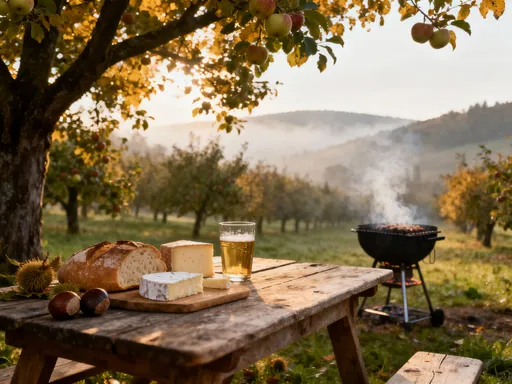
These orchards double as informal restaurants, with long wooden tables shaded by apple trees and chalkboard menus listing seasonal dishes. I sat for hours, sipping chilled Äbbelwoi and eating warm potato pancakes topped with applesauce, while children played nearby and bees buzzed through clover. There’s no rush, no digital ordering—just food, nature, and conversation. For local families, these orchards are weekend sanctuaries; for visitors, they offer a rare chance to taste authenticity without performance. The connection between the land and the plate is immediate and tangible—every bite and sip reflects the season and the soil.
Hiking to Hunger: Trails That Lead to Taste
In Frankfurt, hiking isn’t just exercise—it’s a pathway to pleasure. The city’s well-marked trails often lead not just to scenic overlooks, but to family-run inns, riverside taverns, and seasonal food stands. One of the most rewarding routes is the Rhein-Main-Wanderweg, a long-distance trail that passes through forests, meadows, and historic villages, each with its own culinary highlight. Along the way, trail markers don’t just point to distances—they often include icons for nearby Gasthöfe (country inns) or Weinwirtschaften (wine taverns), signaling that nourishment is part of the journey.
I followed a section from Höchst Old Town, a medieval gem with half-timbered houses and a 1,000-year-old church, to a quiet Weinhaus perched on the riverbank. The two-hour hike took me through shaded woodlands and open fields, crossing small streams and passing grazing sheep. When I arrived, the owner greeted me like a regular, offering a glass of chilled Silvaner and a plate of smoked eel with lemon and herbs. The meal felt earned—not just by the walk, but by the immersion in landscape and rhythm. This isn’t a curated tourist experience; it’s how locals live, moving through nature with purpose and pausing to eat with intention.
Other trails lead to mountain huts serving game stews, homemade spaetzle, and wild berry desserts. In autumn, the forest paths become foraging routes, where families collect mushrooms and chestnuts to use in weekend meals. The idea isn’t to conquer a summit, but to move mindfully through the land and let appetite guide discovery. For visitors, this means rethinking travel itineraries—not as checklists, but as sensory journeys where the destination is often a table set under trees, with food that tastes of the place you’ve just walked through.
Farmers’ Markets with a View
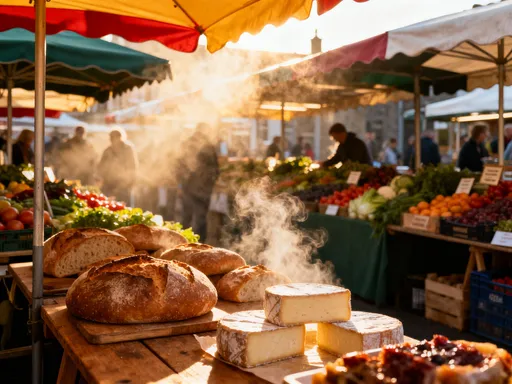
Frankfurt’s farmers’ markets are more than places to shop—they’re open-air celebrations of regional food and community. The Bauernmarkt Konstablerwache, held every Wednesday and Saturday in the city center, brings together over 80 vendors from farms within a 50-kilometer radius. Here, you’ll find creamy goat cheese from a dairy in the Taunus, raw honey infused with wild thyme, and baskets of just-picked strawberries, raspberries, and rhubarb. Everything is seasonal, traceable, and displayed with pride.
But the true charm lies in the atmosphere. Parents push strollers while sampling fresh apple juice, elderly couples debate which jam to buy, and chefs from local restaurants arrive early to secure the best cuts of organic pork. I once watched a grandmother teach her granddaughter how to pick the ripest tomatoes, gently squeezing each one and explaining the signs. These moments aren’t staged—they’re part of the market’s rhythm, where food is not just consumed, but understood and respected.
Even more scenic is the Wochenmarkt Bornheim, located in a quiet residential district known for its culinary scene. Adjacent to a leafy park, this Saturday market buzzes with energy. I bought warm Frankfurter Würstchen from a stand that’s been run by the same family for decades, picked up a loaf of sourdough from a wood-fired bakery, and added a slice of apple cake still warm from the oven. With a paper plate in hand, I walked just ten meters to a bench under blooming chestnut trees and ate as children played nearby and birds sang in the branches. No restaurant could replicate that moment—the combination of fresh food, natural beauty, and human connection.
These markets also reflect a growing commitment to sustainability. Many vendors use reusable containers or offer discounts for bringing your own bags. Some even accept digital payment through local apps, blending tradition with innovation. For visitors, shopping here isn’t just about souvenirs—it’s a way to participate in Frankfurt’s food culture, to carry a piece of its landscape home in a jar of honey or a wedge of cheese.
Vineyards That Feed the City
The slopes along the Main River and in the Taunus foothills are lined with vineyards that produce some of Germany’s most expressive white wines. Unlike the grand estates of the Mosel or Rheingau, Frankfurt’s vineyards are often small, family-run operations where the winemaker also tends the garden and cooks for guests. Varietals like Riesling, Silvaner, and Kerner thrive in the region’s mineral-rich soil, yielding wines that are light, aromatic, and beautifully balanced.
I visited Weingut Schumann, a fifth-generation winery in Niederwalluf, where the current owner led me through the terraced vines before inviting me to a long wooden table set under a pergola. The tasting included three whites paired with a platter of regional specialties: air-dried ham, fresh goat cheese, pickled vegetables, and a spread of herb-infused butter. Each wine complemented the food in a way that felt intuitive, not forced. The conversation flowed easily, shifting from soil composition to family recipes, and I realized that here, wine isn’t just a product—it’s a thread connecting land, labor, and legacy.
One of the most vibrant expressions of this culture is the Winzerfest, or winemakers’ festival, held in late summer across several villages. I attended one in Hochheim, where the entire town square was transformed into a communal dining hall. Long tables stretched down cobbled streets, musicians played folk tunes, and every dish highlighted local produce—grilled asparagus in spring, venison stew in autumn, and always, a glass of fresh-pressed wine. Children ran between tables, and elders shared stories of past vintages. There was no VIP section, no dress code—just food, wine, and fellowship.
These events are not staged for tourists; they’re rooted in tradition and community. For visitors, attending one is a rare privilege—a chance to experience German hospitality in its most genuine form. And for those who want to go deeper, many wineries offer vineyard tours, blending education with enjoyment. You might learn how the angle of the slope affects grape ripening, or why certain herbs grow wild between the rows, then end the day with a shared meal that tastes like the land itself.
Putting It All Together: Your Nature-Infused Food Adventure
Planning a food-centered trip to Frankfurt doesn’t require a complicated itinerary. The city’s strength lies in its accessibility and authenticity. Start with a river cruise on the Weiße Flotte to get oriented, then rent a bike or take the S-Bahn to trailheads in the Taunus or along the Main. From there, let your curiosity guide you. Stop at an orchard for a glass of Äbbelwoi and a plate of Grüne Soße, follow a hiking path to a family-run Gasthof, or browse a farmers’ market and picnic in the park.
Use public transportation to your advantage—S-Bahn lines connect the city center to villages like Kronberg, Oberursel, and Rüdesheim, each offering trails, vineyards, and food stops. Pack a small cooler or insulated bag to carry market finds, and don’t hesitate to eat where the locals eat. A chalkboard menu, a lack of website, or a modest exterior are often signs of authenticity, not neglect.
The key is to slow down. In Frankfurt’s green heart, the best experiences unfold in moments of stillness—a shared grill by the river, a quiet wine tasting under chestnut trees, a spontaneous conversation with a farmer at the market. This isn’t about luxury or exclusivity; it’s about connection. It’s about tasting food that has a story, grown by people who care, in a landscape that sustains both body and spirit.
For women in their 30s to 50s—mothers, professionals, travelers seeking meaning—this kind of journey offers something rare: a chance to reconnect with nature, with tradition, and with oneself. It’s travel that nourishes more than the body; it feeds the soul. There’s a quiet joy in sitting under an apple tree, sipping cider made from fruit grown just meters away, knowing you’re part of a rhythm older than finance, older than cities—a rhythm of seasons, soil, and shared meals.
Frankfurt’s true flavor doesn’t come from a skyscraper restaurant—it grows in orchards, flows along rivers, and simmers in family-run inns nestled in green hills. By embracing the city’s natural landscape, you don’t just see a new side of Germany—you taste it, breathe it, and live it. The best meals aren’t found on maps; they’re discovered where trails meet tables, and city life blends with the rhythm of the land. Next time you think of Frankfurt, think beyond finance—think forests, fields, and food that feels like home.