Lost in the Blue: What No One Tells You About Chefchaouen
Nestled in the Rif Mountains, Chefchaouen greets visitors with dreamy blue-washed streets and a reputation for tranquility. But beneath its postcard-perfect surface lies a cultural experience often misunderstood by travelers. I discovered that its beauty isn’t just in the color—it’s in the rhythm of daily life, the quiet respect required, and the unexpected pitfalls that can turn awe into awkwardness. This isn’t just a travel spot; it’s a living community. The soft blue walls, the narrow cobbled lanes, the scent of mint tea drifting from open doorways—these aren’t staged for visitors. They are part of a centuries-old way of life that deserves more than a quick photo and a fleeting glance. Understanding Chefchaouen means looking beyond the filter and embracing its soul.
The Allure of the Blue City
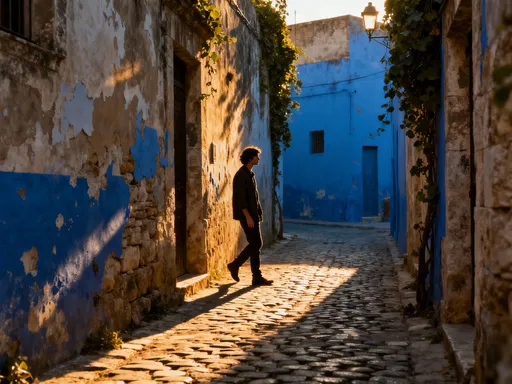
Chefchaouen, often referred to as the Blue Pearl of Morocco, captivates travelers from the moment they step into its medina. The town’s buildings, from towering walls to tiny doorframes, are washed in varying shades of blue—azure, cobalt, sky, and indigo—creating a surreal atmosphere that feels almost otherworldly. For many, the first glimpse of these cascading blue alleys against the rugged backdrop of the Rif Mountains is nothing short of magical. It is no surprise that the city has become a magnet for photographers, influencers, and dreamers seeking beauty in unexpected places.
The visual impact of Chefchaouen deepens as the sun moves across the sky. In the early morning, the soft light gives the blue a silvery glow, making the town appear delicate and serene. By midday, under full sunlight, the colors intensify, casting vivid reflections on stone steps and narrow passageways. As dusk falls, the blues deepen into shadowed hues, evoking a sense of calm and introspection. This ever-changing palette is part of what makes the city so compelling—it is not a static backdrop but a living canvas shaped by time and light.
While many assume the blue paint is a modern trend driven by tourism, its roots are far older and deeply symbolic. One widely accepted theory traces the tradition back to Jewish refugees who settled in the town in the 1930s. For them, the color blue represented the sky and heaven, a constant reminder of God’s presence. Over time, the practice was adopted by the broader community, evolving into a cultural signature. Other interpretations suggest that the blue helps repel mosquitoes or keeps homes cooler in the summer heat. Regardless of its origins, the color has become a form of identity—quiet, peaceful, and intentional.
Chefchaouen’s uniqueness within Morocco adds to its appeal. Unlike the bustling souks of Marrakech or the coastal energy of Essaouira, Chefchaouen offers a slower, more contemplative experience. Its isolation in the mountains has preserved its character, allowing traditions to endure with less outside influence. For travelers drawn to authenticity, this sense of timelessness is invaluable. Yet, its growing fame has also brought challenges, transforming quiet alleys into crowded corridors and raising questions about how to preserve its soul amid rising visitor numbers.
Beyond the Filter: Understanding Local Culture
While the blue walls may be Chefchaouen’s most visible feature, they are only one thread in a rich cultural tapestry. The town’s identity is shaped by a blend of Berber, Arab, and Andalusian influences, reflecting centuries of migration, trade, and coexistence. The local Rif Berber population has maintained strong traditions in language, music, and craftsmanship, while the town’s history as a refuge for Muslims and Jews fleeing persecution in Spain during the 15th century added layers of cultural depth. Understanding this background is essential to appreciating Chefchaouen not as a picturesque stage, but as a resilient and proud community.
Visitors often arrive with romanticized notions—expecting a bohemian retreat or a spiritual haven where free expression flourishes. While the town does attract a certain type of traveler seeking peace and simplicity, it is important to recognize that Chefchaouen remains a conservative Moroccan town. Daily life follows traditional rhythms, guided by Islamic customs and social norms. Women, especially, are expected to dress modestly, and both locals and visitors are encouraged to behave with restraint and respect. Loud behavior, public displays of affection, or immodest clothing can be seen as disrespectful, not just to individuals but to the community as a whole.
The pace of life in Chefchaouen is deliberate and unhurried. Shops open when owners are ready, and many close during prayer times or for midday rest. Conversations unfold slowly, often over glasses of sweet mint tea offered with genuine hospitality. This is not inefficiency—it is a different way of being, one that values presence over productivity. For travelers accustomed to fast-paced itineraries, adjusting to this rhythm can be challenging but ultimately rewarding. It invites a deeper kind of engagement, where connection matters more than checklist tourism.
One of the most important shifts in perspective is moving from seeing Chefchaouen as a destination for consumption—of photos, souvenirs, or experiences—to recognizing it as a place of belonging. The people who live here are not extras in a traveler’s story. They are families, artisans, shopkeepers, and elders who have shaped the town’s character over generations. Respecting their way of life means approaching the town not as an explorer claiming discovery, but as a guest accepting an invitation.
The Overtourism Trap
In recent years, Chefchaouen’s popularity has surged, transforming it from a quiet mountain retreat into one of Morocco’s most photographed towns. While tourism brings economic benefits, it also places strain on the town’s infrastructure and social fabric. During peak seasons—particularly in spring and early summer—the medina becomes crowded, with long lines of visitors navigating narrow alleys originally designed for foot traffic and donkeys, not tour groups and selfie sticks. The charm of wandering freely through blue-hued lanes is often replaced by the reality of jostling for space and waiting to take an unobstructed photo.
Local residents have expressed mixed feelings about this influx. While many appreciate the income generated by guesthouses, restaurants, and craft sales, others feel their privacy is compromised. Some families living in upper-floor homes report constant disturbances as tourists gather below, taking photos of their windows or balconies without permission. The sense of community, once defined by quiet neighborly interactions, can feel disrupted by the relentless presence of outsiders.
Environmental concerns are also growing. Increased waste from single-use plastics, litter in side streets, and higher water consumption due to tourism put pressure on local resources. The town’s natural surroundings, including nearby waterfalls and hiking trails, are seeing more foot traffic than ever, sometimes without adequate waste management or conservation efforts in place. Without sustainable practices, the very beauty that draws visitors could be at risk.
One way to mitigate these impacts is to visit during shoulder months—late autumn or early winter—when crowds are thinner and temperatures are mild. Travelers who choose off-peak times not only enjoy a more peaceful experience but also support the local economy during slower periods. Equally important is venturing beyond the main tourist routes. While the Plaza Outa el Hammam and the Grand Mosque are must-see landmarks, quieter neighborhoods like the Andalusian Quarter or the upper medina offer equally stunning views with fewer visitors. Exploring these areas with respect and curiosity allows for a more authentic connection to the town’s character.
Photography: When Passion Crosses the Line
Photography is one of the primary reasons travelers are drawn to Chefchaouen. The town’s visual harmony makes it a dream subject for cameras, and many visitors come eager to capture its beauty. However, photographing a living community raises ethical questions that are often overlooked. While it is acceptable—and even welcomed—to take pictures of streets, architecture, and landscapes, photographing people without consent crosses a boundary. Yet, this happens frequently, especially with elderly locals, veiled women, and children playing in alleys.
There is a difference between documenting a place and intruding on its people. A candid photo might seem harmless to a traveler, but for the subject, it can feel like a violation of dignity. In a small town where everyone knows each other, being photographed without permission can be deeply uncomfortable, especially if the images later appear on social media without context. Some residents have grown weary of being treated as photo opportunities rather than human beings with stories, routines, and privacy.
The solution is simple but requires mindfulness: ask before taking someone’s picture. A smile, a gesture, or a few words in Arabic or French—such as “Mumkin asouria?” (Can I take a photo?)—can go a long way. Many people are happy to pose if asked respectfully, and the resulting image often carries more meaning. Even when permission is granted, it is important to remain aware of context. A woman in traditional dress may agree to a photo in public, but that does not mean she wants her image shared widely online.
Responsible photography also means being selective about what is shared. Not every moment needs to be posted. The desire to curate a perfect travel feed can overshadow the real experience—the sound of a call to prayer echoing through blue alleys, the taste of warm bread from a local oven, the quiet exchange of greetings with a shopkeeper. These are the memories that last, far more than any number of likes or comments. By photographing with care and intention, travelers honor both the place and the people who call it home.
Shopping Etiquette and Cultural Exchange
The souks of Chefchaouen offer a rich array of handmade goods, from woolen blankets and woven baskets to locally produced goat cheese and argan oil. These items are not mass-produced souvenirs but the work of skilled artisans who have inherited techniques passed down through generations. Shopping here is more than a transaction—it can be a meaningful exchange if approached with respect and awareness.
Haggling is a common practice in Moroccan markets, but it should be done with politeness and fairness. The goal is not to win a bargain at the vendor’s expense, but to reach a price that feels reasonable for both parties. Starting with a smile and a friendly greeting sets the tone. It is also helpful to take time to engage in conversation, showing genuine interest in the craftsmanship. A vendor who feels respected is more likely to offer fair prices and share stories about their work.
One of the most iconic products of Chefchaouen is the handwoven Berber blanket, known for its geometric patterns and natural dyes. These textiles are more than decorative—they carry cultural significance, often symbolizing protection, fertility, or tribal identity. Similarly, the town’s goat cheese, made from local milk and aged in traditional methods, reflects the pastoral lifestyle of the Rif region. By purchasing these authentic goods, travelers support local livelihoods and help preserve cultural heritage.
It is important to avoid treating vendors as part of the scenery. Standing silently and taking photos of someone’s stall without engaging can come across as dismissive. If a photo is desired, asking permission and perhaps making a small purchase in return shows appreciation. Equally, expecting Western pricing or complaining about prices that seem high by international standards overlooks the reality of local economies. A few extra dollars make a significant difference to a family-run business. Shopping with empathy transforms a simple purchase into a gesture of solidarity.
Navigating Daily Life Like a Local
To truly experience Chefchaouen, one must step into its daily rhythm. This means embracing the unpredictability of local life—shops closing unexpectedly, meal times shifting, and plans adapting to the flow of the day. One of the most rewarding ways to connect with the town is through its cafés. Tucked into quiet corners of the medina, family-run cafés serve strong mint tea, fresh pastries, and simple meals in peaceful settings. Sitting with a glass of tea, watching the light shift on blue walls, and listening to snippets of conversation offers a deeper sense of place than any guided tour.
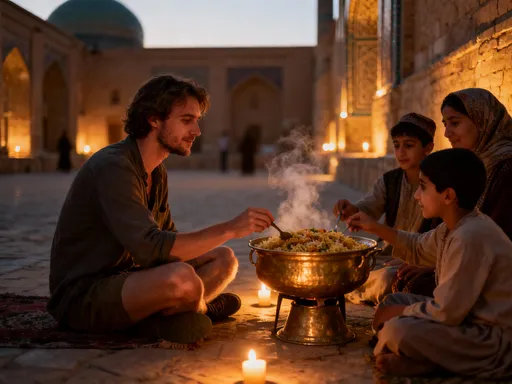
Sharing mint tea with locals, even with limited language skills, can lead to moments of unexpected connection. A simple “Shukran” (thank you) or “Salam alaikum” (peace be upon you) opens doors. Many older residents appreciate the effort to speak a few words of Arabic or French, even if imperfect. These small gestures build trust and create space for genuine interaction. Sometimes, a shared silence over tea is more meaningful than any conversation.
Prayer times play a central role in daily life, and visitors should be mindful of their impact on the town’s schedule. During the five daily calls to prayer, many shops close, and the streets grow quiet. Rather than seeing this as an inconvenience, it can be embraced as a moment of reflection. Sitting in a quiet courtyard during prayer time, listening to the melodic call echoing through the mountains, is a powerful reminder of the town’s spiritual heart.
Getting lost—gently and respectfully—is one of the best ways to discover Chefchaouen’s hidden layers. Turning off the main paths and wandering through lesser-known alleys can lead to unexpected finds: a hidden garden, a hand-painted door, a friendly cat basking in the sun. These quiet discoveries often become the most cherished memories. The joy is not in checking off landmarks, but in allowing the town to reveal itself slowly, one blue corner at a time.
Leaving Lightly: Responsible Travel in Practice
The way travelers leave Chefchaouen is just as important as how they arrive. A responsible visit means minimizing environmental impact, supporting local businesses, and carrying forward a sense of respect. Choosing family-run guesthouses over international chains ensures that income stays within the community. Many of these accommodations are run with warmth and pride, offering not just a place to sleep, but a window into local life.
Reducing plastic use is another meaningful step. Carrying a reusable water bottle and refilling at trusted sources helps cut down on waste. Similarly, bringing a cloth bag for shopping reduces reliance on plastic bags, which are not always disposed of properly in small towns. Simple habits, practiced consistently, can make a difference.
Equally important is the way travelers share their experiences afterward. Posting photos is natural, but adding context—such as the name of a shop, the story behind a craft, or a note about local customs—can educate others and promote mindful tourism. Encouraging friends and followers to visit with respect, to ask before photographing, and to support local artisans helps shift the culture of travel toward greater awareness.
In the end, Chefchaouen is more than a beautiful town—it is a reminder that travel is not just about seeing, but about listening, learning, and leaving with humility. The blue walls may fade from memory over time, but the lessons of respect, presence, and connection remain. When approached with care, a visit to Chefchaouen becomes not just a journey across geography, but a quiet transformation of the heart.