You Won’t Believe What’s Hiding in Akureyri’s Architecture
When I first stepped into Akureyri, I expected snow-capped mountains and hot springs—but not a town where colorful houses cling to steep hills like Lego bricks in the Arctic. What surprised me most? The architecture. From charming wooden churches to sleek modern designs, every building tells a story of resilience and creativity. Let me take you through the hidden details that make this Icelandic gem truly one of a kind.
First Impressions: A Town Built to Survive
Akureyri rests at the head of Eyjafjörður, Iceland’s longest fjord, flanked by towering mountains that shield it from the harshest Atlantic storms. This sheltered location made it an ideal spot for settlement, yet the climate remains demanding—long, dark winters, heavy snowfall, and freezing temperatures shape every aspect of daily life. It’s no surprise, then, that Akureyri’s architecture reflects a deep understanding of survival. Buildings are clustered closely together, not just for convenience, but to conserve heat and reduce exposure to biting winds. The town’s layout follows the natural curve of the fjord, with streets radiating upward from the harbor, ensuring that as many homes as possible face south to capture the limited winter sunlight.
One of the most visible adaptations is the prevalence of steeply pitched roofs. These are not merely aesthetic—they are essential. Snow accumulation can be dangerous, and a steep slope allows snow to slide off naturally, reducing the risk of structural damage. Most roofs are clad in corrugated metal, a material chosen for its durability and resistance to corrosion in the salty coastal air. Over time, this practical choice has become a defining feature of the town’s visual identity. Even the placement of doors and windows is calculated: entries are often recessed or protected by overhangs to prevent snowdrifts from blocking access during storms.
The compact nature of the town also speaks to a broader philosophy of efficiency and community. Unlike sprawling cities, Akureyri’s design encourages walking, even in winter. Sidewalks are kept clear, and many public buildings are within a short distance of residential areas. This intentional proximity fosters a sense of connection among residents, especially during the long months when outdoor activity is limited. The architecture, in this way, does more than protect—it supports a way of life built on resilience, practicality, and mutual care.
The Legacy of Wooden Houses: Colorful Survivors
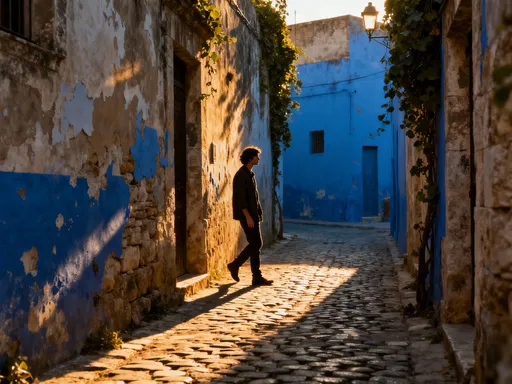
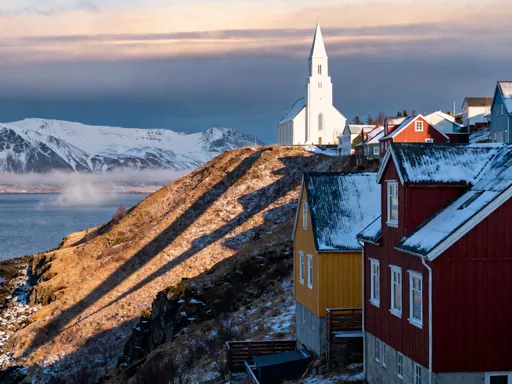
Walking through Akureyri’s older neighborhoods feels like stepping into a Nordic fairy tale. Rows of small, brightly painted wooden houses line the hillsides, their vibrant hues standing in bold contrast to the gray skies and snow-covered ground. These homes trace their origins back to the 19th century, when Norwegian traders and settlers brought timber-frame construction techniques to Iceland. At a time when most buildings were made of turf or stone, wooden houses represented modernity and comfort. Though wood is not native to Iceland, it was imported by ship, and skilled carpenters assembled homes that could withstand the elements while offering warmth and charm.
What makes these houses truly remarkable is their cladding. Most are covered in corrugated metal sheets, painted in vivid reds, blues, yellows, and greens. This practice began as a protective measure—wooden walls needed shielding from moisture and wind—but evolved into a cultural tradition. The bright colors serve a deeper purpose beyond preservation. During the winter months, when daylight lasts only a few hours, the cheerful facades provide a psychological lift. Studies have shown that exposure to bright colors can help mitigate symptoms of seasonal affective disorder (SAD), a condition common in high-latitude regions. In Akureyri, architecture doubles as emotional support, offering visual warmth when natural light is scarce.
Each color choice often reflects the homeowner’s personality or family history, turning the town into a patchwork of personal expression. Some houses even feature decorative trim or carved eaves, subtle nods to Scandinavian craftsmanship. While modern building codes now require fire-resistant materials, many newer homes still emulate the classic wooden style, preserving the town’s distinctive character. This blend of tradition and adaptation shows how Akureyri honors its past without sacrificing safety or progress. The colorful houses are more than charming—they are a testament to a community that values both beauty and well-being.
Akureyri Church: A Crown on the Hill
Rising above the rooftops like a beacon, Akureyri Church is impossible to miss. Its white concrete steeple reaches skyward, visible from nearly every corner of town. Completed in 1940, the church is a prime example of Functionalism, an architectural style that emphasizes simplicity, clean lines, and utility. Designed by renowned Icelandic architect Guðjón Samúelsson—also responsible for Hallgrímskirkja in Reykjavík—the building blends modernist principles with Nordic sensibilities. There are no ornate spires or stained glass windows; instead, the church’s beauty lies in its harmony with the landscape and its symbolic presence in the community.
The church sits atop a gentle hill, deliberately positioned to stand apart from the rest of the town. This elevation serves both practical and emotional purposes. On clear days, visitors can step outside and enjoy panoramic views of the fjord and surrounding mountains—an experience that feels almost spiritual. But beyond the scenery, the location reinforces the church’s role as a place of refuge and reflection. In a region where isolation can be both physical and emotional, the church acts as a visual anchor, a constant reminder of connection and continuity. Its tall, narrow steeple points upward like a silent prayer, offering a sense of hope even in the darkest winters.
Inside, the space is modest but welcoming. Natural light filters through tall, narrow windows, illuminating wooden pews and a simple altar. The acoustics are exceptional, making it a favored venue for concerts and choral performances. While the church remains an active place of worship, it also functions as a cultural hub, hosting events that bring residents together. This dual role reflects a broader truth about Akureyri’s architecture: buildings are not just shelters, but vessels of meaning. The church, in particular, embodies the town’s quiet strength and enduring spirit.
Modern Design Meets Nature: Contemporary Buildings
While Akureyri cherishes its historic charm, it is also home to striking examples of contemporary architecture that respond thoughtfully to the environment. The Akureyri Health Care Center is one such example. Opened in the early 2000s, the facility features large glass facades, open floor plans, and a minimalist aesthetic that prioritizes patient comfort and efficiency. Natural light floods the interior, reducing the need for artificial lighting and contributing to a calming atmosphere. The use of glass is not just aesthetic—it creates a visual connection to the outside world, which is especially important in a region where long winters can feel confining.
Equally impressive is the University of Akureyri, a compact but innovative campus that serves students from across Iceland and beyond. The buildings combine steel, glass, and concrete in clean, geometric forms that echo the surrounding mountains and fjord. Rather than dominating the landscape, the structures appear to grow out of it, their horizontal lines mirroring the layers of rock and ice. Sustainability is central to the design: geothermal heating provides warmth, while advanced insulation and energy-efficient windows minimize energy loss. Rainwater collection systems and solar panels further reduce the campus’s environmental footprint.
What unites these modern buildings is a commitment to harmony—between people and nature, tradition and innovation. Architects in Akureyri do not seek to impose grand statements, but to create spaces that serve and uplift. Even the town’s newer residential developments follow this philosophy, with homes designed to maximize sunlight, minimize wind exposure, and blend into the natural contours of the land. This thoughtful approach ensures that progress does not come at the cost of identity. In Akureyri, modernity is not about replacing the old, but refining it with care and purpose.
Public Spaces That Bring People Together
In a town where winter darkness lasts for months, indoor public spaces are not just convenient—they are essential to social well-being. Akureyri’s architecture recognizes this need, with a network of community-focused buildings designed to encourage gathering and interaction. The Akureyri Library, for instance, is more than a place to borrow books. Its warm lighting, comfortable seating, and spacious reading areas make it a popular retreat during the colder months. Regular events—story hours for children, lectures, and art exhibitions—turn the library into a living hub of cultural exchange.
Equally vital is the local swimming pool, or “laug” as it’s called in Icelandic. More than just a place to swim, it functions as a social center where people of all ages gather to exercise, chat, and relax in geothermally heated waters. The facility includes hot tubs, steam rooms, and even a small children’s pool, all housed in a functional yet inviting structure. The design emphasizes accessibility, with wide entrances, non-slip surfaces, and indoor walkways that connect to nearby parking and bus stops. These details may seem minor, but they make a significant difference in encouraging year-round use, especially for older adults and families.
Shopping streets like Hafnarstræti are also designed with comfort in mind. Covered walkways and heated sidewalks allow residents to move between stores without braving the cold. Storefronts are brightly lit and often feature large windows, creating a sense of openness and invitation. Even in January, when temperatures hover near freezing, the town center remains lively. This intentional design reflects a deep understanding of human needs: when the environment is harsh, architecture must step in to foster connection. In Akureyri, buildings don’t just protect—they nurture community.
Hidden Details: What Most Visitors Miss
Beyond the obvious charm of colorful houses and scenic views, Akureyri’s architecture is full of subtle details that reveal the ingenuity of its builders. One such feature is the decorative ridge caps on roofs—often shaped like waves or simple geometric patterns. While they add visual interest, they also serve a practical function: reinforcing the roof’s peak against wind uplift. Similarly, many doors are set at angles or recessed into walls, a design choice that prevents snow from piling up directly in front of entrances. These small but thoughtful adjustments make daily life easier, especially during snowstorms.
Another overlooked detail is the house numbering system. In many Icelandic towns, including Akureyri, addresses follow a logical sequence based on construction order rather than street layout. This can be confusing for visitors, but it reflects the organic growth of the town over time. Some older homes even have small underground storage rooms or tunnels—originally used for keeping food cold or storing firewood, but now sometimes repurposed as wine cellars or extra storage. These spaces speak to a time when self-sufficiency was essential, and they remain a quiet reminder of the town’s resourceful past.
For those interested in a deeper exploration, a self-guided walking tour can reveal even more. Look for homes with double-glazed windows set at slight angles to maximize sunlight, or buildings with flat roofs that double as emergency helicopter landing spots. Notice how streetlights are positioned to reduce glare and light pollution, preserving the night sky. These features may go unnoticed at first, but they reflect a culture of careful planning and respect for the environment. By paying attention to these details, visitors gain a richer understanding of how Akureyri’s people live in harmony with their surroundings.
Why Akureyri’s Architecture Matters Beyond Beauty
Akureyri’s buildings are more than shelters—they are expressions of values. Every design choice, from the color of a house to the angle of a window, reflects a commitment to sustainability, mental well-being, and cultural identity. In a world increasingly shaped by mass production and generic urban development, Akureyri stands out as a model of place-based architecture. Here, buildings are not imported from a global template, but grown from local needs and conditions. This authenticity is what makes the town so compelling.
The emphasis on natural light, for example, is not just about energy efficiency—it’s about human health. Research consistently shows that access to daylight improves mood, sleep, and cognitive function. In a place with only four hours of sunlight in winter, this is not a luxury, but a necessity. Similarly, the use of geothermal energy is not just environmentally responsible—it’s a source of national pride. Iceland generates nearly 100% of its electricity from renewable sources, and Akureyri’s buildings are a visible testament to that achievement.
Perhaps most importantly, the town’s architecture fosters a sense of belonging. When homes are colorful, public spaces are welcoming, and buildings are designed with people in mind, residents feel seen and valued. This emotional resonance is difficult to measure but easy to feel. It’s in the way neighbors wave from their porches, how strangers smile in the library, or how families gather at the pool after school. Architecture, in Akureyri, is not silent—it speaks of care, resilience, and community.
For travelers, this offers a powerful lesson. It’s tempting to focus on the dramatic landscapes—glaciers, waterfalls, volcanic plains—but the true soul of a place often lies in its everyday structures. Akureyri teaches us to look closer, to appreciate the quiet intelligence behind a sloped roof or the courage in a bright red door facing the winter wind. These buildings are not just functional—they are stories in concrete, wood, and glass.
Next time you visit a new town, don’t just photograph the skyline. Walk the side streets. Notice the materials, the colors, the way buildings relate to the land and to each other. Ask yourself: What does this place prioritize? What challenges has it overcome? How do people live here? In Akureyri, the answers are written in every wall, every window, every rooftop. The town doesn’t shout its wisdom—it whispers it, gently, through the language of design. And if you listen closely, you might just hear it too.