Lost in the Charm of Nuremberg? Here’s Where to Actually Go
Nuremberg isn’t just a name from history books—it’s a living, breathing city where medieval streets whisper stories and every corner holds a postcard-worthy moment. I walked its ancient walls, wandered hidden courtyards, and found scenic spots most tourists miss. From panoramic views atop the castle to quiet moments along the Pegnitz River, this is a place that blends beauty with realness. The cobblestones echo centuries of footsteps, the half-timbered houses lean gently with age, and the air carries a mix of freshly baked gingerbread and crisp autumn leaves. This is not a reconstructed stage set—it’s a city that remembers its past while embracing the present. Here’s exactly where to go, what to feel, and how to experience Nuremberg beyond the guidebook.
Why Nuremberg Deserves More Than a Day Trip
Nuremberg is often slotted into itineraries as a half-day stop between Munich and Leipzig or as a footnote on a Bavarian holiday. But reducing it to a brief visit does a disservice to its layered character. Unlike sprawling metropolises, Nuremberg offers depth within a compact footprint. Its historic center is walkable, intimate, and rich with visual and emotional texture. While Munich dazzles with grandeur and beer halls, Nuremberg speaks in quieter tones—its charm revealed through weathered stone, centuries-old craftsmanship, and the rhythm of daily life unfolding in medieval lanes.
Travelers frequently overlook Nuremberg’s aesthetic richness because it doesn’t shout for attention. There are no towering cathedrals that dominate the skyline like Cologne’s, nor alpine backdrops like those framing Garmisch. Instead, its beauty is cumulative—a slow reveal of architectural harmony, quiet courtyards, and riverfront reflections. Yet, for those willing to linger, the city rewards with authenticity. The blend of imperial history, artisanal tradition, and green oases creates a travel experience that feels both grounded and poetic.
What sets Nuremberg apart is its balance. It carries the weight of history—imperial coronations, religious reform, and the complexities of the 20th century—without letting any single narrative overshadow its present vitality. Markets bustle with local families, bakeries sell fragrant Lebkuchen made from century-old recipes, and children play near fountains that have stood for generations. This continuity makes the city not just a destination for sightseeing, but a place to feel connected to a living heritage. A full day, or even two, allows visitors to move beyond checklists and into a deeper appreciation of its soul.
The Castle District: More Than Just a View
Rising above the city like a sentinel from another era, the Kaiserburg Nuremberg is the crown jewel of the city’s skyline. But to see it only as a backdrop for photographs is to miss its essence. Walking through the castle complex is like stepping into a three-dimensional history book—each stone path, arched gateway, and watchtower offering a tactile connection to the past. The castle’s elevated position is not just strategic; it shapes the entire experience, lifting visitors above the modern world and into a realm of battlements, courtyards, and sweeping vistas.
The moment you pass through the outer gate, the sounds of the city soften. The air feels cooler, the pace slows. To the north, the remains of the Palas, once the residence of German kings, stand with quiet dignity. To the south, the Deep Well courtyard holds a 50-meter-deep well, a marvel of medieval engineering that still draws gasps from visitors. These spaces aren’t curated for spectacle—they’re preserved with respect, allowing guests to absorb their atmosphere without distraction.
For the most breathtaking views, arrive in the late afternoon when the sun casts a golden glow over the red rooftops of the Altstadt. The western terrace offers a panoramic sweep of the city, with the spires of St. Lorenz and the Frauenkirche rising like landmarks in a storybook. Fewer crowds gather at this hour, making it ideal for contemplative moments. Early mornings are equally rewarding, especially in autumn when mist curls around the towers and the first light touches the stone facades with warmth.
The Kaiserburg is not merely a monument; it’s a vantage point from which to understand Nuremberg’s identity. From here, you see how the city grew—organically, within its walls, shaped by geography and history. The castle’s enduring presence reminds us that some places are not just visited, but felt.
Old Town Wonders: Cobblestones, Courtyards, and Hidden Corners
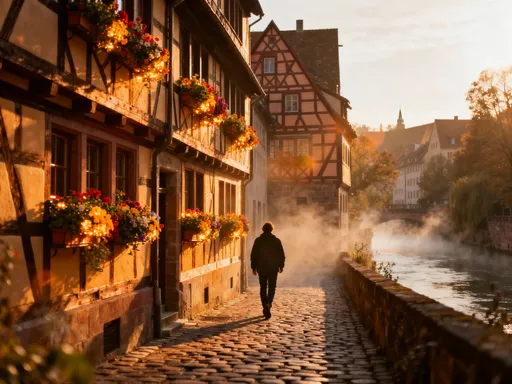
The heart of Nuremberg’s magic beats strongest in its Altstadt, where narrow lanes twist like ribbons through a tapestry of half-timbered houses, hidden patios, and centuries-old squares. This is not a museum district frozen in time, but a neighborhood where life unfolds at a human scale. Shopkeepers sweep their doorsteps, neighbors exchange greetings in Bavarian dialect, and the scent of roasting chestnuts drifts from street vendors in the colder months. Every turn reveals a new vignette—a flower-filled window box, a carved wooden sign, a patch of ivy climbing a 15th-century wall.
Lorenzer Platz, anchored by the majestic St. Lawrence Church, offers a sense of openness amid the intimacy of the old town. The square is framed by elegant patrician homes, their facades adorned with ornate stonework and painted shutters. It’s a favorite among locals for weekend strolls and quiet coffee breaks. Nearby, the Rathaus (City Hall) presents a fascinating blend of Gothic and Renaissance architecture. Though the current building dates largely from the 16th century, its foundations reach back to the 14th, symbolizing the city’s long tradition of civic governance.
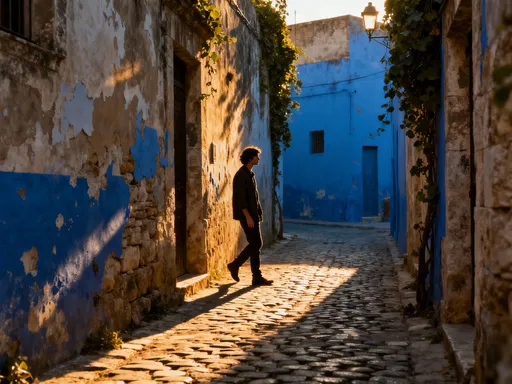
But the true treasures lie in the alleys that branch off the main thoroughfares. Off Weißgerbergasse, once home to tanners and leatherworkers, you’ll find secluded courtyards where sunlight filters through wooden eaves and pigeons flutter between rooftops. These spaces feel untouched by time, their silence broken only by the distant chime of church bells. The best moments come when you wander without a map, letting curiosity guide you to unexpected corners—perhaps a tiny chapel tucked between buildings or a bronze plaque marking a forgotten artisan’s workshop.
For photographers, the light is most forgiving in the early morning or late afternoon. When the sun slants across the narrow streets, it highlights the textures of aged wood and weathered stone, creating natural drama. The contrast of shadows and illumination brings out the depth of the architecture, turning ordinary scenes into poetic compositions. Even without a camera, the visual rhythm of the Altstadt—the repetition of gables, the symmetry of windows, the play of color and form—has a calming, almost meditative effect.
Along the Pegnitz River: A Scenic Escape Through the City
One of Nuremberg’s best-kept secrets is the gentle arc of the Pegnitz River as it winds through the city center. While many tourists focus on the landmarks above ground, those who follow the waterway discover a quieter, greener side of Nuremberg. The riverbanks serve as a living corridor, connecting historic sites with moments of serenity. From the Tiergarten park in the north to the moat beneath the castle in the south, the Pegnitz offers a continuous thread of beauty and calm.
Walking along the eastern bank, you pass under arched stone bridges, some dating back to the 15th century, their surfaces worn smooth by centuries of footsteps. Old mills, now repurposed as cafes or cultural spaces, stand beside the current, their waterwheels long still but their presence evocative. Benches line the path at regular intervals—perfect for pausing with a book, sharing a quiet conversation, or simply watching the water ripple under the afternoon sun.
The river also provides a unique perspective on the city’s fortifications. Along the eastern wall, sections of the medieval ramparts rise directly from the water, their stone blocks draped in ivy and moss. In spring, wildflowers bloom along the banks, and willow trees dip their branches into the current. In winter, frost glazes the railings, and the reflections of streetlights shimmer on the dark water. It’s a place that changes with the seasons, yet always retains its peaceful character.
For families, the path is stroller-friendly and safe, with low railings and clear sightlines. Children are drawn to the ducks and swans that glide along the edges, and the occasional paddleboat in summer adds a touch of playfulness. The route is also ideal for those who need a break from the intensity of sightseeing. A slow walk by the water resets the mind, offering a sensory counterpoint to the visual overload of museums and monuments.
Perhaps most importantly, the Pegnitz connects key destinations without feeling like a transit route. You can start at the castle moat, follow the river south past the Handwerkerhof, and end near the Hauptmarkt, all while staying in a state of quiet immersion. It’s a reminder that in a well-designed city, beauty isn’t confined to attractions—it flows through the spaces between them.
St. Lawrence Church and the Quiet Beauty of Sacred Spaces
Among Nuremberg’s many architectural gems, St. Lorenz (St. Lawrence Church) stands as a masterpiece of Gothic artistry and spiritual tranquility. Its twin spires dominate the skyline of the eastern Altstadt, but it’s the details—both outside and in—that captivate the attentive visitor. The west façade is a forest of pinnacles, tracery, and sculpted figures, including the famous Angelic Salutation, a suspended wood and stone ensemble by Adam Kraft that seems to float in midair.
Yet, for all its grandeur, St. Lorenz does not overwhelm. Step inside, and the noise of the city fades instantly. The interior is vast but intimate, its ribbed vaults rising like a stone canopy above rows of wooden pews. Sunlight filters through stained glass windows, casting jewel-toned patterns on the stone floor. The air carries a faint scent of beeswax and old wood, and the silence is profound—not empty, but full of presence.
This duality—monumental yet serene—is what makes sacred spaces like St. Lorenz so meaningful to travelers. They are not merely historical artifacts, but living environments where beauty and stillness coexist. Whether you enter for prayer, reflection, or quiet observation, the church offers a rare opportunity to pause. In a world of constant motion, such places serve as anchors, reminding us that some experiences are meant to be felt, not photographed.
The church also reflects Nuremberg’s role as a center of craftsmanship and religious thought. During the late Middle Ages, it was a hub for artists, theologians, and patrons who shaped the cultural landscape of southern Germany. The intricate carvings, the high altar, and the preserved choir stalls speak to a time when art and faith were inseparable. Even today, the space continues to host concerts and community events, proving that historic buildings can remain vital when they serve both memory and meaning.
Maximilian Park and the Green Side of History
Just beyond the eastern edge of the old town, Maximiliananlage—often called Maximilian Park—offers a seamless fusion of nature and history. This green expanse wraps around the remnants of Nuremberg’s medieval fortifications, transforming what was once a defensive barrier into a space of leisure and reflection. Unlike formal gardens with rigid layouts, this park feels organic, with winding paths, clusters of trees, and open lawns that invite visitors to linger.
The most striking feature is how the ruins are integrated into the landscape. Towers once used for surveillance now stand cloaked in ivy, their battlements softened by time and vegetation. Sections of the city wall stretch through the park like stone ribbons, some topped with benches where people sit to read or watch the sunset. In spring, cherry blossoms bloom along the pathways, and in autumn, the leaves turn gold and crimson, creating a tapestry that shifts with the seasons.
Maximiliananlage is especially beloved by locals. Parents bring children to play on the grass, couples stroll hand in hand, and retirees find quiet corners with a view of the river. It’s a place where history isn’t displayed behind glass, but lived alongside. Picnics are common, particularly on weekends, with families spreading blankets beneath old trees and sharing baskets of fresh bread, cheese, and fruit. The atmosphere is relaxed, unhurried—exactly what weary travelers need after hours of walking through museums and crowded squares.
For visitors, the park offers more than rest—it provides perspective. From its elevated paths, you can see how the city grew outward from its medieval core, yet preserved its green lungs. It’s a model of urban planning that respects both heritage and quality of life. Whether you come for a ten-minute pause or an hour-long exploration, Maximiliananlage reminds us that beauty often lies in balance: between past and present, structure and nature, movement and stillness.
Putting It All Together: Crafting a Scenic, Stress-Free Day
With so much to see, the key to a fulfilling visit is thoughtful pacing. A well-structured day in Nuremberg isn’t about ticking off attractions, but about allowing the city’s layers to unfold naturally. Begin early—around 8:30 a.m.—at the Kaiserburg. Arriving at opening time ensures quiet access and the best light for photography. Spend an hour exploring the castle grounds, then descend into the Altstadt via the Spittlertor area, where the view back toward the fortress is especially dramatic.
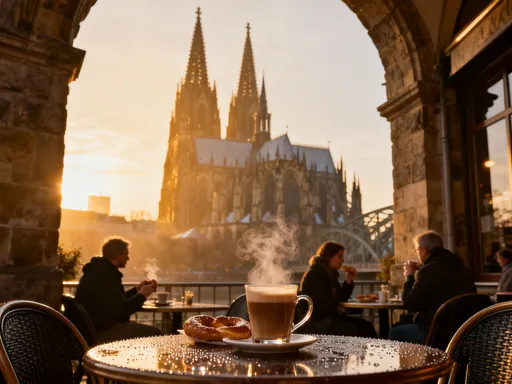
From there, walk through the southern part of the old town toward Lorenzer Platz. Stop for coffee at a café with outdoor seating, ideally one with a view of St. Lorenz. Use this break to orient yourself and enjoy the morning bustle. By 10:30 a.m., enter the church—interior light is soft and shadows are minimal at this hour, perfect for appreciating the stained glass and sculptures.
Afterward, drift through the side streets of Weißgerbergasse and the surrounding alleys. Allow yourself to get slightly lost—this is where serendipity happens. Look for courtyards marked by old wrought-iron gates or flower-filled balconies. Around noon, head toward the Pegnitz River and follow it northward, passing under bridges and pausing at scenic overlooks. If you’re hungry, stop at a riverside café for a light lunch—perhaps a warm pretzel with Obatzda cheese or a seasonal soup.
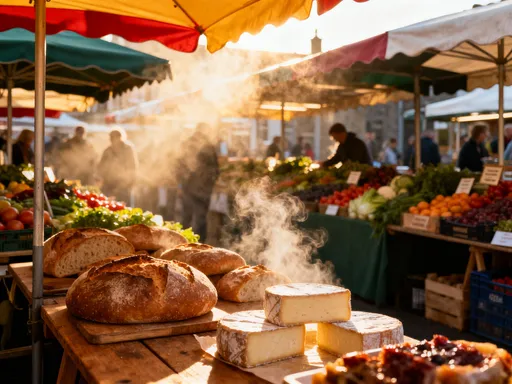
By early afternoon, enter Maximiliananlage. Walk its paths, find a sunny bench, and take time to reflect. If the weather permits, enjoy a picnic—local markets like the one at Hauptmarkt offer fresh, regional products ideal for outdoor dining. Around 3:30 p.m., loop back toward the city center via the northern stretch of the river, passing the old mills and the castle moat. End your day at the Hauptmarkt, where the Christmas market stalls (even outside the holiday season) offer handmade crafts and, of course, Nuremberg’s famous gingerbread.
This route balances activity with stillness, sightseeing with sensory immersion. It avoids the fatigue of over-scheduling and instead cultivates presence. You won’t see everything—but you’ll experience more.
Nuremberg’s magic lies not in spectacle, but in subtlety—the way morning light hits red rooftops, or how silence settles in a 600-year-old courtyard. By focusing on scenic authenticity and thoughtful pacing, travelers gain more than photos—they gain presence. This city invites you to slow down, look closer, and let its layers reveal themselves. It doesn’t demand your attention; it earns it, quietly, one cobblestone at a time.