You Won’t Believe What I Found Exploring Prague’s Hidden Specialty Gems
Wandering through Prague feels like stepping into a living storybook—cobblestone lanes, golden spires, and a quiet buzz of creativity in the air. But beyond the postcard views, I discovered something unexpected: the city’s soul lives in its specialty products. From hand-blown glass that catches the light like magic to herbal liqueurs crafted in ancient cellars, each find told a deeper tale of tradition and craft. This isn’t just shopping—it’s treasure hunting with purpose. These are not mass-produced souvenirs wrapped in plastic, but tangible pieces of history, made by hands that honor centuries-old techniques. In a city often crowded with tourists following the same well-trodden paths, the real magic lies off the beaten track, where quiet workshops hum with focus and local markets whisper stories of heritage. This journey is about rediscovering Prague not through monuments alone, but through its living culture—crafted, poured, shaped, and shared with pride.
The Allure of Authentic Discovery in a Tourist-Filled City
Prague welcomes millions of visitors each year, drawn by the grandeur of Prague Castle, the charm of the Charles Bridge, and the fairytale silhouette of Old Town Square. While these landmarks are undeniably breathtaking, they represent only one layer of the city’s identity. Beneath the surface of popular itineraries lies a quieter, more intimate Prague—one defined not by crowds, but by craft. For the mindful traveler, especially those seeking meaningful connections and lasting memories, the true reward comes from uncovering what locals cherish: specialty goods born of tradition, patience, and personal dedication. These items are not made for display cases; they are made for life—used daily in Czech homes, gifted with intention, and passed down through generations.
What makes these discoveries so powerful is their authenticity. Unlike the generic trinkets sold near major attractions—keychains stamped with cartoonish eagles or mugs printed with clichéd slogans—authentic specialty products reflect the values and history of their makers. A hand-thrown ceramic bowl carries the fingerprint of its creator. A bottle of small-batch herbal liqueur holds the knowledge of regional plants and seasonal harvesting. These are not souvenirs in the commercial sense, but cultural touchstones—objects that embody the spirit of a place. For travelers, especially women in the 30–55 age range who often value quality over quantity and meaning over flash, these finds offer a deeper way to remember and honor their journey.
Finding these treasures requires a shift in mindset. It means moving beyond guided tours and curated experiences to explore with curiosity and respect. It means wandering into neighborhoods like Karlin, Vyšehrad, or Letná, where local life unfolds without fanfare. It means striking up conversations at neighborhood markets, visiting open workshops during cultural festivals, and being willing to step into unmarked doors where the scent of molten glass or drying clay lingers in the air. The effort is worth it. Each discovery becomes a personal story—a memory not just of where you went, but of whom you met and what you learned. In this way, travel transforms from sightseeing into soul-seeing.
Bohemian Glass: More Than Just a Pretty Shine
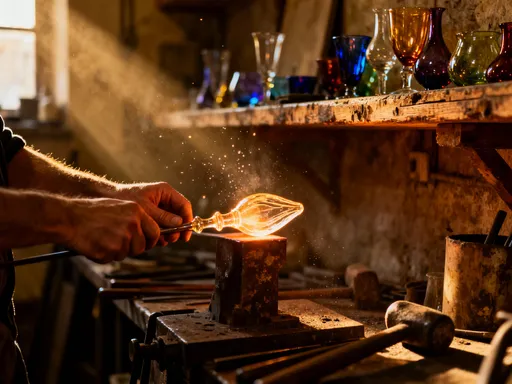
No discussion of Czech craftsmanship is complete without honoring Bohemian glass, a tradition that has shaped Europe’s artistic landscape for over 700 years. Renowned for its clarity, brilliance, and intricate detailing, this glass is not merely decorative—it is a testament to human ingenuity and precision. The region’s rich deposits of silica sand and potash once gave Bohemia a natural advantage, but it was the skill of its artisans that turned raw materials into masterpieces. Today, the legacy continues in small ateliers tucked into Prague’s side streets and in glassmaking towns beyond the capital, where molten glass still dances at the end of long steel pipes under the watchful eyes of master blowers.
The process of creating hand-blown glass is both scientific and poetic. It begins with gathering molten glass from a furnace heated to over 1,100 degrees Celsius. Using a blowpipe, the artisan rotates the glowing gather to maintain symmetry, then gently blows into the pipe to form a bubble. From there, shaping becomes a dance of heat, breath, and timing. Tools made of wood, metal, and wet newspaper help refine curves and edges. Once shaped, the piece is placed in an annealing oven to cool slowly, preventing cracks. For cut glass, another artisan spends hours—sometimes days—chiseling geometric or floral patterns into the surface using rotating wheels and diamond abrasives. The result is a play of light and shadow, a depth that factory-made glass simply cannot replicate.
For travelers, the key to appreciating true Bohemian glass lies in knowing how to distinguish it from imitations. Much of what is sold in tourist-heavy zones is imported from Asia or Eastern Europe, often labeled deceptively as “Czech-style.” Authentic pieces typically bear the signature or hallmark of the artist or studio—engraved discreetly on the base. Look for slight imperfections: a tiny air bubble, a subtle asymmetry in the stem of a goblet—these are signs of human touch, not flaws. Better yet, visit a working studio where you can watch the process firsthand. Places like the Lasvit showroom or smaller family-run workshops in the city’s creative districts offer demonstrations and direct sales, allowing you to meet the makers and hear their stories. In doing so, you don’t just buy a vase or a chandelier—you take home a fragment of living history.
Herbal Liqueurs and the Secret Life of Czech Apothecaries
Beneath Prague’s romantic skyline lies a lesser-known tradition rooted in healing, flavor, and botanical wisdom: the art of herbal liqueurs. Among these, Becherovka stands out—a golden, bittersweet spirit originating from the spa town of Karlovy Vary. Though widely available, its true essence is best understood not in airport duty-free shops, but in the dimly lit corners of local bars and apothecary-style tasting rooms where it is sipped slowly, often with a slice of lemon or a cube of sugar. Made from a closely guarded recipe of over 20 herbs and spices, including gentian root, anise, and coriander, Becherovka was originally crafted as a digestive aid, a reflection of Central Europe’s long-standing belief in the medicinal power of plants.
This tradition extends beyond one brand. Across the Czech Republic, small distillers continue to draw from centuries-old apothecary knowledge, blending roots, flowers, and berries harvested at peak potency. These liqueurs—often labeled simply as “bylinková” (herbal) or “kořalka” (spiced spirit)—are made in copper stills, sometimes in repurposed cellars or rural farmhouses. Some are sweetened with honey, others left dry and sharp. Each region has its own variations, influenced by local flora and family recipes passed down through generations. In Prague, a growing number of craft bars and specialty shops now offer curated tastings, where visitors can sample small-batch spirits infused with elderflower, pine shoots, or even forest mushrooms, each with its own story and suggested use.
For the thoughtful traveler, sampling these liqueurs is not about indulgence alone, but about cultural immersion. It’s an invitation to understand how Czechs view the relationship between nature, health, and pleasure. However, responsible exploration is essential. These are potent drinks, often ranging from 30% to 45% alcohol, and should be enjoyed in moderation. Many locals drink them as digestifs after meals, believing they aid digestion and warm the body in cold months. When tasting, take time to notice the layers of flavor—the initial bitterness, the herbal complexity, the lingering warmth. Ask the bartender or distiller about the ingredients and their origins. This simple act of curiosity transforms a casual drink into a meaningful exchange, connecting you to a tradition that values patience, knowledge, and care.
Traditional Pottery and Ceramics from the Czech Countryside
While glass and spirits capture the light and taste of Bohemia, its clay tells a different story—one of earth, fire, and rural resilience. Traditional Czech pottery, particularly from towns like Bechyně, Nová Paka, and Slavonice, embodies a rustic elegance that has endured for centuries. These pieces are not designed for museum shelves; they are made for kitchens, dining tables, and garden patios. A hand-thrown mug, a salt-glazed jug, or a floral-painted plate carries both beauty and function, merging artistry with everyday use. In a world dominated by mass-produced tableware, Czech ceramics offer a refreshing alternative: objects that feel alive, shaped by human hands and fired in wood-burning kilns that lend each piece a unique character.
The techniques used in these studios vary by region but share a commitment to sustainability and tradition. In Bechyně, potters use locally sourced clay and wood-fired kilns, where temperatures fluctuate naturally, creating unpredictable glaze effects—cracks, blisters, and iridescent sheens that no factory can replicate. In Nová Paka, artisans are known for their intricate hand-painted designs, often featuring folk motifs like roosters, flowers, and geometric borders in cobalt blue and rust red. Many still use foot-powered kick wheels, a method that requires balance and rhythm, connecting the maker physically to the spinning clay. The process is slow, deliberate, and deeply satisfying—a contrast to the speed of modern life.
For visitors, experiencing this craft firsthand is both educational and inspiring. Several studios in and around Prague offer short workshops where guests can try their hand at throwing clay or painting bisqueware. These sessions are especially popular among women seeking creative, hands-on travel experiences. Even if you don’t make your own piece, visiting a pottery studio allows you to witness the quiet focus of the artisans, to touch unfinished bowls fresh from the wheel, and to understand the time invested in each object. When purchasing, look for markings on the bottom—many potters sign their work or stamp it with a studio logo. These details not only confirm authenticity but also honor the individual behind the craft. Bringing home a piece of Czech pottery means welcoming not just a dish, but a philosophy: that beauty belongs in daily life, and that small, handmade things matter.
Where to Find the Real Deal: Markets, Workshops, and Hidden Shops
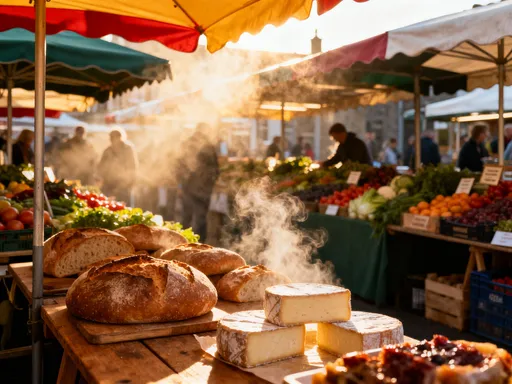
Navigating Prague’s retail landscape can be overwhelming, especially when so much of what is labeled “authentic” turns out to be imported or machine-made. The key to finding genuine specialty products lies in knowing where to look—and when. Local markets, independent design shops, and open-atelier events offer the best opportunities to connect directly with creators and verify the origins of what you’re buying. One of the most trusted destinations is Havelské Tržiště, a historic market near the Old Town Square that has operated since the 14th century. While parts of it cater to tourists, the upper levels often feature stalls run by regional artisans selling honey, smoked cheese, herbal teas, and handcrafted ceramics.
For a more curated experience, neighborhoods like Vinohrady, Holešovice, and Žižkov house a growing number of boutique shops specializing in Czech design. Stores such as Czech & Speake, Designum, or smaller concept spaces often stock glassware, textiles, and homewares made by independent artists. These shops prioritize transparency, displaying information about the makers, materials, and production methods. Some even host pop-up events where artisans demonstrate their work in person. Another excellent option is to time your visit with cultural festivals like the Prague Craft Week or the Christmas Markets at Republic Square, where strict vendor guidelines ensure that most goods are locally made and handcrafted.
Equally valuable are the less visible opportunities—like open-door days at artist studios or small distilleries offering private tastings. These experiences are rarely advertised in guidebooks but can be found through local tourism offices, craft associations, or word of mouth. They offer a rare chance to step behind the curtain, to see tools covered in clay dust, to smell the herbs steeping in alcohol, and to ask questions without pressure to buy. In these moments, shopping becomes dialogue, and objects become stories. By choosing these authentic venues over generic souvenir shops, travelers not only acquire more meaningful keepsakes but also contribute directly to the survival of traditional crafts in a globalized world.
The Art of Choosing: How to Spot Quality and Support Local
With so many options, how can a traveler ensure they are buying something truly special? The answer lies in attention to detail and a willingness to engage. First, examine the item closely. Authentic hand-blown glass will have a slight thickness variation, a smooth pontil mark (the spot where it was detached from the pipe), and a resonance when gently tapped. Hand-painted ceramics often show brushstroke texture and slight color variations—signs of individual effort, not flaws. For liqueurs, check the label: genuine Czech products will list ingredients in Czech, specify the place of origin, and avoid vague terms like “inspired by” or “style of.”
Even more important than inspection is conversation. Don’t hesitate to ask the seller about the making process, the materials used, or the history of the craft. Most artisans are proud of their work and happy to share. If the vendor cannot answer basic questions or seems evasive, it may be a red flag. Buying directly from the maker—at a market stall, studio, or festival—ensures that your money supports the creator, not a middleman or import distributor. This direct support is crucial in preserving traditional skills that are at risk of fading in the face of industrialization and mass production.
Finally, consider practicality. Handmade items, especially glass and ceramics, are often fragile. Wrap them carefully in clothing when packing, or ask the seller for specialized packaging. Some studios even offer shipping services to ensure safe delivery. By taking these steps, you protect your investment and honor the care that went into making it. Remember, the goal is not to fill a suitcase, but to bring home a few truly meaningful pieces—objects that will spark conversation, evoke memory, and connect you to a culture that values slowness, skill, and soul.
Bringing Prague Home: Why Specialty Products Matter Beyond Souvenirs
When the journey ends and the photos are uploaded, what remains are the objects we choose to carry forward. A mass-produced magnet or snow globe may sit forgotten on a shelf, but a hand-blown glass bowl, a bottle of herbal bitters, or a hand-painted plate becomes part of daily life. These items do more than decorate—they remind. They remind us of the artisan who shaped them, the quiet studio where time moved differently, the moment we paused to listen, to learn, to appreciate. In this way, they deepen the impact of travel, transforming fleeting experiences into lasting connections.
Choosing specialty products is also an act of cultural respect and sustainable tourism. It acknowledges that traditions are not relics, but living practices worth supporting. It shifts the economy toward small-scale producers who value quality and heritage over speed and profit. And it allows travelers to leave not just a footprint, but a positive mark—by investing in people, not just places. For women who often manage household aesthetics and gift-giving, these pieces offer both beauty and meaning, serving as conversation starters and symbols of thoughtful living.
Prague’s hidden specialty gems are not found on billboards or in shopping malls. They are discovered in stillness, in curiosity, in the courage to wander beyond the map. They invite us to slow down, to look closely, and to choose with intention. So the next time you walk through a European city, let your eyes drift past the obvious. Seek the quiet workshop, the local market, the unlabeled door. Let your hands touch the clay, your nose catch the scent of herbs, your ears hear the tap of glass against glass. In these moments, you don’t just see a destination—you become part of its story. And that is the most precious souvenir of all.