How We Funded Our Dream Honeymoon Without Breaking the Bank
So you’re engaged—congrats! But then reality hits: the honeymoon. I remember staring at travel photos, dreaming of white sands and crystal waters, while my bank account whispered, “Good luck.” Like most couples, we wanted magic without debt. What if I told you it’s possible? This isn’t about cutting corners—it’s about smart moves. Let me walk you through how we turned fantasy into a fully funded getaway, one intentional choice at a time. It started with a simple decision: treat our honeymoon not as a reckless splurge, but as a financial goal worth working toward. And in doing so, we discovered something powerful—dreams don’t have to come with debt.
The Honeymoon Budget Trap: Why Most Couples Overspend
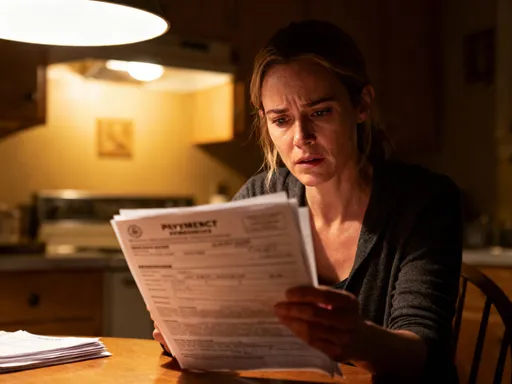
Many couples begin their honeymoon planning with excitement, only to find themselves months later staring at credit card statements in disbelief. The dream getaway that once felt romantic now feels like a burden. This common experience isn’t just bad luck—it’s the result of predictable financial traps rooted in emotion, social pressure, and lack of planning. When you’re caught in the glow of a recent engagement, it’s easy to overlook practical details. The idea of celebrating love in an exotic location is intoxicating, and travel marketers know this well. They sell not just destinations, but feelings—freedom, intimacy, escape. And those feelings often lead to overspending.
The first trap is emotional spending. Couples frequently book flights and accommodations within days of getting engaged, driven by enthusiasm rather than budget. They see a deal on a tropical resort and think, “This is it—that’s our honeymoon spot.” But without a clear financial picture, such decisions are risky. A round-trip flight for two to the Maldives might cost $3,000, and a week at an overwater bungalow could easily run another $4,000. Before any meals, excursions, or tips are factored in, the total is already $7,000. For many households, that’s two months’ worth of take-home pay.
Social expectations amplify the problem. Instagram, Pinterest, and wedding magazines are filled with images of couples lounging on private beaches, toasting with champagne at sunset, and exploring ancient ruins. These portrayals create an unconscious benchmark: if your honeymoon doesn’t look like that, did it even count? This pressure leads some couples to stretch beyond their means, financing luxury experiences with credit cards they can’t quickly repay. The result? A vacation that starts with joy but ends with stress.
Then there are the hidden costs—fees and extras that don’t show up in the initial price quote. Resort fees, for example, have become standard in many destinations, adding $25 to $50 per night without warning. Foreign transaction fees on credit cards can tack on 3% to every purchase abroad. Airport transfers, tourist taxes, and optional upgrades—like a room with an ocean view or a late checkout—quickly inflate the bill. One couple we spoke with planned a $5,000 trip to Costa Rica, only to spend $6,800 once all incidental charges were included. They hadn’t accounted for car rentals, national park entry fees, or the premium for booking during turtle nesting season.
The lesson is clear: treating your honeymoon like any other vacation invites financial regret. A successful trip isn’t measured by how luxurious it looks in photos, but by how well it aligns with your real financial capacity. By recognizing these traps early—emotional decisions, social comparison, and hidden fees—couples can shift from reactive spending to intentional planning. The goal isn’t to deprive yourself of joy, but to enjoy it without the long shadow of debt.
Start with a Clear Vision: Aligning Dreams and Dollars
Before opening a browser to search for flights, the most important step in planning an affordable honeymoon is having an honest conversation. What does a “dream honeymoon” actually mean to both of you? For one person, it might mean lazy days on a quiet beach with a good book. For another, it could be hiking through misty mountains or exploring street markets in a bustling city. Without alignment, couples risk booking a destination that satisfies only one partner, leading to disappointment—or worse, overspending to accommodate mismatched expectations.
This is where vision-setting becomes a financial tool. Sitting down together to define your priorities helps translate abstract dreams into practical goals. Start by asking simple questions: Do you want relaxation or adventure? Sun and sand, or culture and cuisine? Are you looking for privacy or new experiences? Once you’ve identified your shared values, you can begin assigning budget categories accordingly. If snorkeling and marine life are top priorities, then a destination like Belize or the Philippines might offer better value than the Maldives. If food and history matter most, a trip to Portugal or Vietnam could deliver rich experiences at a fraction of the cost of Western Europe.
A helpful exercise is creating a shared vision board—either physical or digital—where you pin photos, quotes, and destination ideas that reflect your ideal trip. This visual tool does more than inspire; it grounds your planning in reality. When you see that both of you have pinned images of cozy mountain cabins and morning coffee with a view, it becomes easier to say no to a pricey beach resort. The board serves as a reference point when decisions arise: “Does this choice bring us closer to our vision?”
From there, set measurable goals. Instead of saying, “We want a nice trip,” define what “nice” means. Is it a 7-day stay in a specific country? A certain number of guided tours? A single splurge experience, like a hot air balloon ride or a private dinner on the beach? Assign estimated costs to each element. This process transforms your dream into a roadmap, making it easier to identify where you can save and where you should invest.
Trade-offs are inevitable, but they don’t have to feel like sacrifices. Choosing an off-season trip can cut airfare and lodging costs in half while offering a more authentic local experience. Staying in a locally owned guesthouse instead of a branded resort might mean fewer amenities, but it often comes with personalized service and cultural connection. The key is focusing on value—what truly enhances your experience—rather than defaulting to what seems luxurious. When you align your spending with your vision, every dollar feels purposeful.
Building Your Honeymoon Fund: The Pay-Yourself-First Strategy
Once you have a clear vision, the next step is turning intention into action. The most effective way to fund a dream honeymoon without debt is to treat it like any other financial goal—because it is one. This means adopting the “pay-yourself-first” principle, a cornerstone of personal finance. Instead of waiting to see what’s left at the end of the month, you prioritize your honeymoon savings by setting aside money as soon as you’re paid. This shift in mindset—from afterthought to priority—changes everything.
Start by opening a dedicated savings account for your honeymoon. Keep it separate from your regular checking account to reduce the temptation to dip into it for everyday expenses. Many banks offer high-yield savings accounts that earn interest, so your money grows slightly over time. Name the account something motivating, like “Bali Bound” or “Our Island Escape,” to reinforce its purpose. Then, set up automatic transfers from your main account on payday. Even $100 per month from each partner adds up to $2,400 in a year—enough to cover a significant portion of an international trip.
Consistency matters more than size. A couple we know saved $75 each per week by automating transfers every Friday. They didn’t feel the pinch because the money moved before they had a chance to spend it. Over 18 months, they saved nearly $6,000—enough for a two-week trip to Greece, including flights and accommodations. The power of automation lies in its invisibility; you’re not constantly deciding whether to save, so willpower isn’t tested.
To stay motivated, track your progress visually. Some couples use a simple thermometer chart, coloring in sections as they reach milestones. Others use apps that show countdowns or calculate how many days of travel their current balance can fund. One pair printed a photo of their destination and taped it to their fridge, marking each $500 saved with a gold star. These small acts create emotional investment, making the goal feel real and attainable.
Boosting contributions doesn’t require drastic lifestyle changes. Many couples find extra income through side gigs—freelance work, selling unused items, or seasonal jobs. Redirecting windfalls like tax refunds, bonuses, or cash gifts from wedding guests can also accelerate savings. One couple received $1,200 in monetary wedding gifts and immediately deposited it into their honeymoon fund. They later joked that their friends hadn’t just celebrated their love—they’d funded their snorkeling adventure.
The goal isn’t austerity; it’s intentionality. You don’t have to give up coffee or cancel subscriptions unless those choices fit your budget. The point is to make saving automatic, consistent, and emotionally rewarding. When you pay yourself first, you’re not just funding a trip—you’re building financial discipline that lasts far beyond the honeymoon.
Smart Timing: How When You Travel Impacts Your Wallet
Timing is one of the most powerful levers in travel budgeting—yet it’s often overlooked. Many couples assume that if they want a great trip, they have to go during peak season. But the truth is, traveling at the right time can cut costs by 30%, 50%, or even more. This isn’t about settling for less; it’s about maximizing value. A beach in Thailand is just as beautiful in May as it is in December—and often less crowded, more peaceful, and significantly cheaper.
Understanding travel seasons is key. Most popular destinations have high, low, and shoulder seasons. High season aligns with holidays, school breaks, and ideal weather, which drives up demand and prices. Low season often brings rain or extreme heat, but also deep discounts. Shoulder season—just before or after peak times—offers the best balance: pleasant weather, fewer crowds, and lower rates. For example, visiting Italy in April or October instead of July can save hundreds on flights and hotels while still providing sunny days and vibrant culture.
Flight pricing cycles also follow predictable patterns. Airlines typically release tickets 11 months in advance, and the best deals often appear 2 to 3 months before departure for international trips. Booking too early or too late can mean missing out. Mid-week flights, especially on Tuesdays and Wednesdays, are usually cheaper than weekend departures. Similarly, flying into secondary airports or nearby cities can reduce airfare. A couple planning a trip to Paris saved $400 by flying into Lyon and taking a budget train to their destination.
Technology makes timing easier. Fare alert services like Google Flights, Skyscanner, and Hopper notify you when prices drop on your desired route. These tools allow you to book with confidence, knowing you’re getting a competitive rate. Flexible date searches show price variations across a calendar, helping you pick the cheapest days to fly. One couple used fare alerts for six months and booked their flights to Japan when prices dropped unexpectedly during a non-holiday week—saving over $600.
Booking accommodations early can also lock in lower rates, especially for small inns or popular boutique hotels. However, last-minute deals exist too, particularly in off-seasons. The risk is availability—if you wait too long, your preferred options may be gone. A balanced approach is best: set a target booking window based on your destination and monitor prices until then. For most international trips, 3 to 5 months in advance is ideal.
Smart timing doesn’t mean waiting or compromising on quality. It means being strategic. By choosing when to travel as carefully as where to go, couples can stretch their budget without sacrificing experience. A well-timed trip is often more enjoyable—less crowded, more authentic, and easier on the wallet.
Cutting Costs Without Compromising Experience
Luxury is not defined by price. Some of the most memorable moments on a honeymoon come from simple, authentic experiences that cost little or nothing. Watching the sunrise over rice terraces, sharing a meal at a family-run restaurant, or walking through a local market can be more meaningful than any five-star resort. The key is shifting focus from spending to value—investing in what enriches your experience and saving on what doesn’t.
Accommodation is often the largest expense, but it doesn’t have to be. While luxury hotels have their appeal, alternatives like guesthouses, bed-and-breakfasts, and vacation rentals offer comfort, character, and significant savings. Platforms like Airbnb, Vrbo, or Booking.com list thousands of homes with kitchens, allowing couples to prepare some meals and reduce dining costs. One couple stayed in a charming villa in Tuscany for $120 per night—half the price of a nearby chain hotel—complete with a kitchen, garden, and local host who gave them wine-tasting tips.
Dining is another area where smart choices pay off. Instead of eating at tourist-targeted restaurants every night, seek out local favorites. Street food, family-run eateries, and neighborhood markets often serve the most authentic cuisine at a fraction of the cost. In Vietnam, a delicious bowl of pho costs less than $3, while a similar meal at a hotel restaurant might be $15. Planning one special dinner—like a seaside seafood feast or a rooftop tasting menu—lets you enjoy luxury without making it the norm.
Transportation choices also impact your budget. In many cities, public transit is efficient, affordable, and scenic. Renting a scooter in Bali or using local buses in Lisbon can be fun and economical. Walking tours, often offered for free or by donation, provide rich cultural insights from knowledgeable locals. Paid tours should be chosen selectively—focus on experiences that are hard to replicate on your own, like a guided snorkeling trip or a visit to a protected wildlife reserve.
Travel rewards can further stretch your budget. If you or your partner have a credit card with travel points, now is the time to use them. Many cards allow you to redeem points for flights, hotels, or even statement credits. Some couples have flown internationally using miles accumulated from everyday spending. Just be sure to pay off the balance in full—never carry a balance to earn points.
The goal is balance. You don’t need to live like a backpacker to save money, nor do you need to splurge to feel special. By being selective—paying more for what matters and less for what doesn’t—you create a trip that feels rich in experience, not just expense.
Managing Money Abroad: Avoiding Hidden Fees and Scams
Once you’ve arrived at your destination, financial discipline doesn’t stop. In fact, it becomes more important. Without a plan, it’s easy to lose track of spending or fall victim to hidden fees and scams. The good news is that a few smart habits can protect your budget and peace of mind.
Currency exchange is a common pitfall. Many travelers use airport kiosks or hotel desks to convert money, but these often offer poor rates and high fees. A better option is to use a no-foreign-transaction-fee credit card for purchases and a travel-friendly debit card for ATM withdrawals. Notify your bank before traveling to avoid having your card flagged for fraud. Some banks even offer cards with reduced ATM fees abroad.
Be cautious of dynamic currency conversion, a practice where merchants offer to charge you in your home currency at the point of sale. It sounds convenient, but the exchange rate is usually unfavorable. Always choose to be charged in the local currency and let your bank handle the conversion.
Budgeting daily spend helps prevent overspending. Divide your total trip budget by the number of days to set a daily limit. Apps like Trail Wallet or Splitwise let you track expenses in real time, so you know where you stand. If you overspend one day, adjust the next. One couple set a daily food budget of $40 and found they had extra money at the end of the week to splurge on a cooking class.
Carry multiple payment options—a credit card, a debit card, and some cash—to avoid being stranded if one fails. Keep them in separate places. Be aware of common scams, like fake taxis, overcharging, or distraction thefts. Research common scams for your destination and stay alert in crowded areas.
Staying financially safe abroad isn’t about fear—it’s about preparation. With the right tools and awareness, you can enjoy your honeymoon fully, knowing your money is working for you, not against you.
Beyond the Honeymoon: Turning Good Habits Into Lasting Financial Health
The journey to a debt-free honeymoon doesn’t end when you return home. In fact, it’s just the beginning. The habits you build—saving consistently, tracking expenses, making intentional choices—don’t have to be temporary. They can become the foundation of lifelong financial health. Many couples who planned their honeymoon this way found that the discipline spilled over into other areas: they started an emergency fund, paid down debt, or began saving for a home.
Goal-based saving is a powerful habit. Once you’ve experienced the satisfaction of funding a dream through planning, it’s easier to apply the same approach to other goals. Whether it’s a future family vacation, a new car, or retirement, the process is similar: define the goal, set a timeline, create a plan, and automate progress. The confidence that comes from knowing you can achieve big things through small, consistent actions is invaluable.
Financial communication strengthens relationships. The conversations you had about money during honeymoon planning—what matters, what you’re willing to trade off, how you’ll track spending—lay the groundwork for healthy money habits as a couple. Money is one of the top sources of conflict in relationships, but intentional dialogue can turn it into a source of unity.
Finally, remember that financial wellness isn’t about perfection. There will be unexpected expenses, moments of temptation, and times when you fall short. What matters is the overall direction. One smart decision leads to another. Saving for your honeymoon might seem like a small victory, but it’s part of a larger journey toward freedom, security, and peace of mind. And that’s a gift that lasts far longer than any vacation.